Introduction
Women’s rights have become one of the most discussed global issues in modern society. International organizations and legal systems emphasize equality, dignity, and protection for women across all spheres of life. Interestingly, many of these rights were already recognized more than 1400 years ago within Islamic teachings.
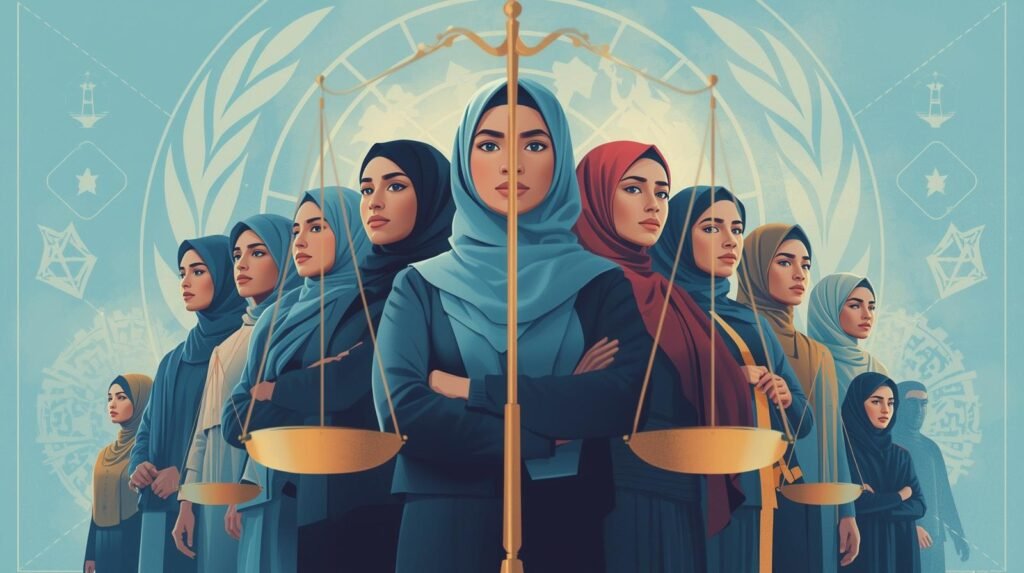
Islam established a comprehensive framework that protects women’s dignity, property, education, and social status. Similarly, international legal instruments, particularly those developed under the United Nations, promote gender equality and protection of women’s rights.
This article explores how Islamic teachings and international law intersect in promoting justice, dignity, and rights for women.
The Concept of Human Dignity in Islam
Islam begins the conversation about rights with the concept of human dignity.
The Qur’an states:
“Indeed, We have honored the children of Adam.”
(Qur’an 17:70)
This verse establishes that all human beings—men and women—are honored by God, creating a foundation for equality and respect.
Islam emphasizes that spiritual worth is not based on gender but on righteousness.
“Indeed, the most noble of you in the sight of Allah is the most righteous of you.”
(Qur’an 49:13)
This principle laid the foundation for recognizing women as equal participants in spiritual, social, and moral life.
Women’s Rights in Islam
1. Right to Education
Islam places great emphasis on education for both men and women.
The Prophet Muhammad ﷺ said:
“Seeking knowledge is obligatory upon every Muslim.”
(Hadith – Ibn Majah)
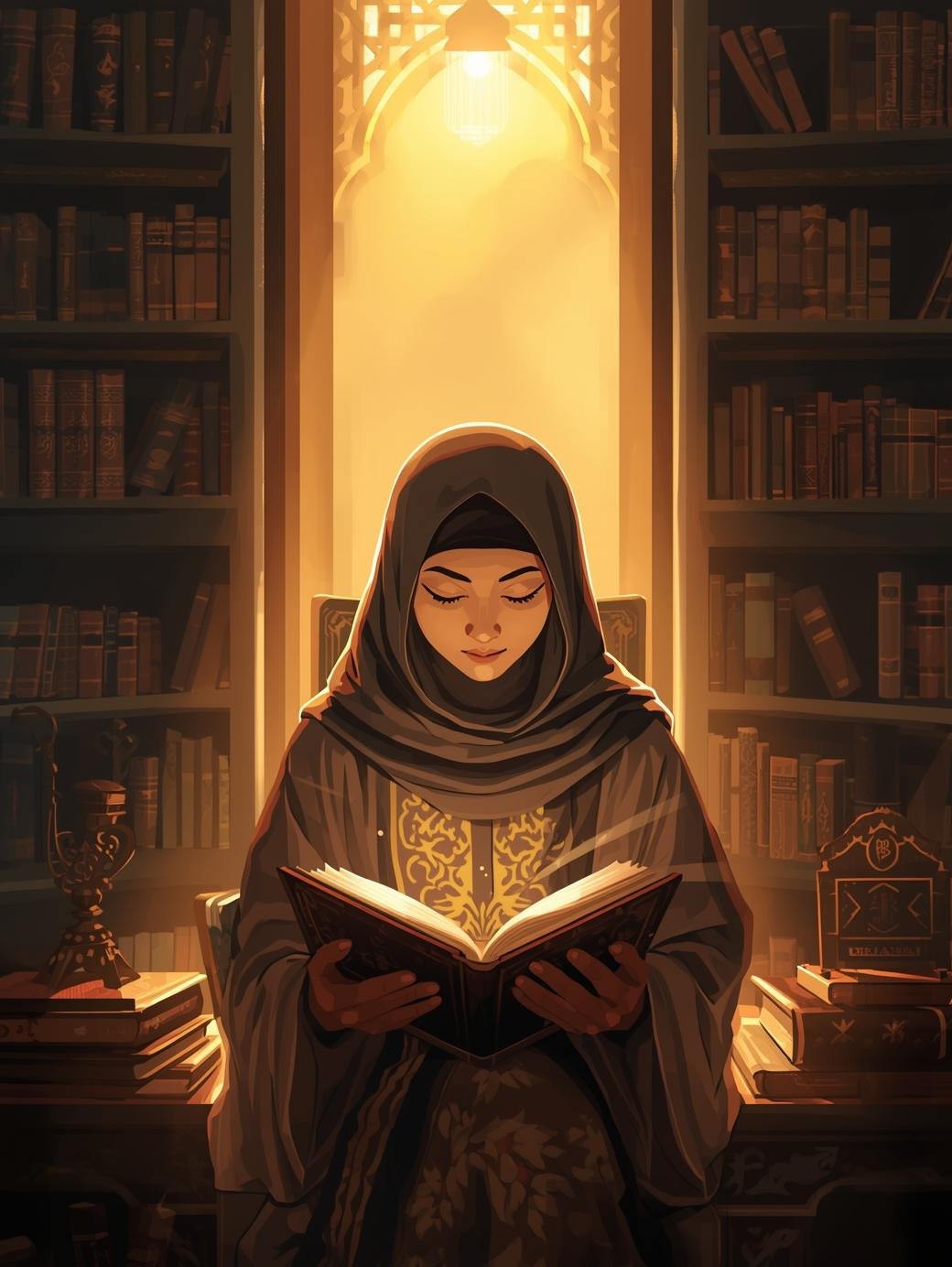
The word Muslim includes both men and women, emphasizing equal access to knowledge.
Historically, Muslim women such as Aisha (RA) were scholars who transmitted thousands of Hadith and taught many companions.
2. Economic and Property Rights
One of the most revolutionary rights given to women in Islam was the right to own and manage property independently.
The Qur’an states:
“For men is a share of what they earn, and for women is a share of what they earn.”
(Qur’an 4:32)
Women in Islam have the right to:
Own property
Conduct business
Receive inheritance
Maintain financial independence
These rights existed in Islamic law centuries before similar rights were recognized in many Western societies.
3. Right to Marriage and Family Protection
Islam emphasizes mutual respect and kindness within marriage.
The Qur’an says:
“Live with them in kindness.”
(Qur’an 4:19)
Marriage in Islam requires:
Free consent of the woman
Financial security through Mahr
Respect and protection
The Prophet Muhammad ﷺ also stated:
“The best of you are those who are best to their wives.”
(Hadith – Tirmidhi)
This teaching highlights the ethical responsibility of men toward women.
In modern times, international law has developed frameworks to ensure gender equality and protect women’s rights globally.
The United Nations Charter (1945) was one of the first international documents to affirm gender equality.
It states:
“Faith in fundamental human rights, in the dignity and worth of the human person, and in the equal rights of men and women.”
Later instruments expanded these protections.
1. Universal Declaration of Human Rights (UDHR)
The Universal Declaration of Human Rights (1948) states in Article 1:
“All human beings are born free and equal in dignity and rights.”
This declaration ensures equal rights for women in areas such as:
Education
Employment
Political participation
Legal protection
2. Convention on the Elimination of All Forms of Discrimination Against Women (CEDAW)
Adopted by the United Nations in 1979, CEDAW is often described as the international bill of rights for women.
It focuses on:
Eliminating discrimination
Ensuring equal access to opportunities
Protecting women from violence
Promoting social equality
Shared Principles Between Islam and International Law
Despite originating in different contexts, Islamic teachings and international law share several core principles regarding women’s rights.
1. Human Dignity
Both frameworks emphasize the inherent dignity of every human being.
Islam frames dignity as a divine gift, while international law frames it as a universal human principle.
2. Justice and Equality
Justice is a fundamental concept in Islam.
The Qur’an states:
“Indeed, Allah commands justice.”
(Qur’an 16:90)
Similarly, international law promotes equality before the law regardless of gender.
3. Protection from Abuse and Violence
Islam strongly condemns oppression and injustice.
The Prophet Muhammad ﷺ said:
“Do not harm yourselves or others.”
(Hadith – Malik)
International law also prioritizes the protection of women from violence and exploitation.
Misconceptions About Women’s Rights in Islam
Many misunderstandings arise due to cultural practices rather than authentic Islamic teachings.
In reality, Islam introduced reforms that were revolutionary for their time, including:
Ending female infanticide
Granting women inheritance rights
Recognizing women’s legal identity
Encouraging education for women
The challenge today lies in ensuring that Islamic principles are applied correctly and consistently.
Conclusion
Women’s rights are deeply rooted in both Islamic teachings and international legal frameworks. While their historical contexts differ, both systems emphasize dignity, justice, and protection for women.
Islam established many foundational rights for women centuries ago, while modern international law continues to develop mechanisms to ensure these rights are respected globally.
Understanding these shared principles can help bridge cultural misunderstandings and encourage a more inclusive and just world where women can thrive with dignity and equality.
About Human Trust International
Human Trust International is committed to promoting human dignity, justice, and awareness of fundamental rights through education, advocacy, and community engagement. Inspired by universal ethical values and international human rights principles, the organization works to strengthen dialogue, peace, and equality across societies.