Introduction: Why Asylum Matters in Today’s World
In a world where conflict, persecution, poverty, and political instability force millions to flee their homes, asylum is not just a legal word—it is a lifeline. It represents safety, dignity, and the chance to rebuild life with hope. When people ask, “What is asylum?” or “How to get asylum in Italy?”, they are not just asking about procedures—they are searching for protection, humanity, and a future.
Italy, as a gateway to Europe, plays a crucial role in offering protection to people escaping danger. But the asylum process can feel like a maze—complex laws, confusing paperwork, long waiting times, and emotional stress. That’s why we’ve created this complete guide to help you understand asylum clearly and practically.
Let’s walk this journey together—step by step, simply, honestly, and humanely.
What Is Asylum?
Asylum is a form of international protection granted to a person who flees their home country because of:
War or armed conflict
Political persecution
Religious oppression
Ethnic discrimination
Threats due to nationality
Membership in a social group
Risk of torture or inhumane treatment
In simple words, asylum means safety. It means a country gives you protection when your own country cannot or will not protect you.
Think of asylum like a shelter during a storm. When the storm becomes life-threatening, you don’t argue about doors—you run to the nearest safe place. That’s exactly what asylum is: a door to safety when survival is at stake.
International Legal Meaning of Asylum
Asylum is recognized globally through international law, especially under:
The 1951 Refugee Convention
The 1967 Protocol Relating to the Status of Refugees
These laws define who qualifies as a refugee and the rights they must receive, including:
Protection from deportation
Access to healthcare
Education rights
Legal identity
Freedom of movement
Right to work (with conditions)
Types of Protection in Italy
Italy offers different forms of protection, not just one type of asylum. Understanding this is crucial.
1. Refugee Status (Asylum Protection)
This is the strongest form of protection. It is granted if you prove persecution based on:
Race
Religion
Nationality
Political opinion
Social group membership
Validity: 5 years (renewable)
Rights: Work, healthcare, education, travel documents, family reunification
2. Subsidiary Protection
Granted when a person does not qualify for refugee status but still faces serious harm such as:
Death penalty
Torture
Armed conflict violence
Validity: 5 years
Rights: Similar to refugee status but slightly limited
3. Special Protection (Protezione Speciale)
Given for humanitarian reasons, such as:
Medical conditions
Family ties in Italy
Human rights risks
Vulnerability
Validity: 1–2 years (renewable)
Human Trust International, under the leadership of Dr. Nadeem Waqas, is actively committed to supporting asylum seekers and vulnerable migrants by promoting awareness, legal guidance, and human dignity. Asylum is a fundamental human right that offers protection to individuals fleeing persecution, conflict, and serious harm. Through advocacy, community outreach, and legal awareness initiatives, Human Trust International works to ensure that people understand the asylum process in Italy, their legal rights, and the pathways to safety and integration. Guided by humanitarian values and international human rights principles, Dr. Nadeem Waqas and his team continue to serve displaced individuals with compassion, clarity, and a strong commitment to justice.
How to Get Asylum in Italy – Step-by-Step Guide
Now let’s break the process into simple human steps.
Step 1: Entering Italy
You can apply for asylum only if you are physically in Italy.
Entry may happen through:
Airports
Land borders
Sea routes
Rescue operations
Once you enter Italian territory, you have the legal right to request asylum.
Step 2: Declare Asylum Request
You must tell authorities clearly:
“I want to apply for asylum in Italy.”
You can declare asylum at:
Border police
Immigration police (Questura)
Police stations
Reception centers
This is your first legal protection moment.
Step 3: Registration (Fotosegnalamento)
Authorities will:
Take fingerprints
Register personal data
Take photos
Record nationality
Collect basic information
This data is entered into European systems.
Step 4: Formal Asylum Application
You will receive:
An asylum request form
A temporary permit
A receipt (Cedolino)
Appointment for interview
This stage officially makes you an asylum seeker.
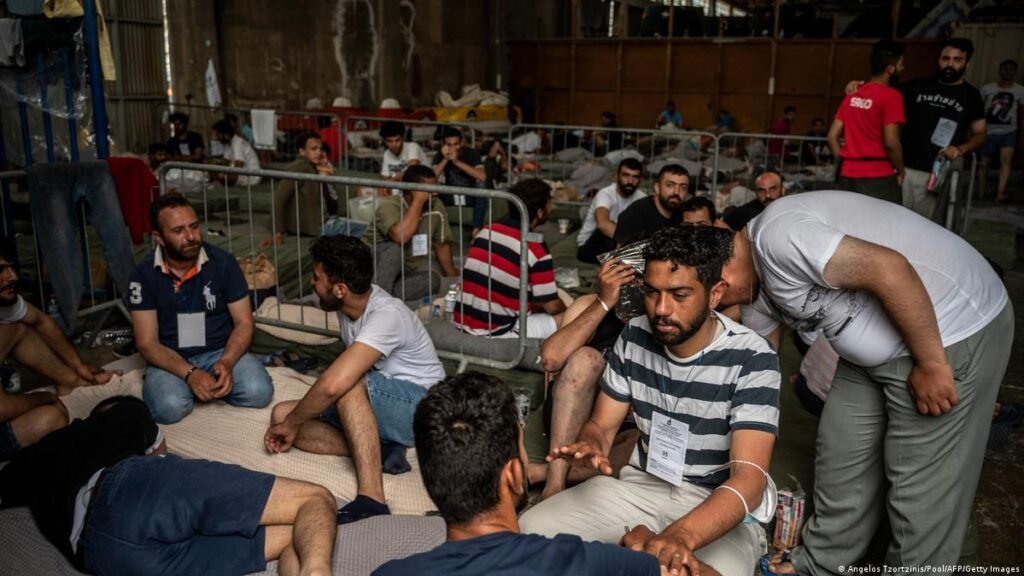
Step 5: Reception Center Placement
You may be placed in:
First reception centers
Emergency shelters
Government facilities
NGO-supported centers
You receive:
Accommodation
Food
Basic healthcare
Legal orientation
Psychological support
Step 6: Asylum Interview (Commissione Territoriale)
This is the most important step.
You will be interviewed about:
Your personal story
Reasons for fleeing
Risks in your home country
Family situation
Past persecution
Fear of return
Step 7: Decision Process
Authorities will decide:
Refugee status
Subsidiary protection
Special protection
Rejection
The process may take months to years.
Documents Needed for Asylum in Italy
You may not have documents, and that’s okay. But if available:
Passport
National ID
Birth certificate
Family documents
Threat letters
Police reports
Medical records
Evidence of persecution
Even without documents, your testimony matters.
Common Mistakes to Avoid
Giving false information
Changing your story
Using fake documents
Following illegal agents
Avoiding interviews
Missing appointments
One mistake can change everything.
Life After Getting Asylum in Italy
Once protection is granted:
You can work legally
Access education
Rent homes
Open bank accounts
Travel within Schengen (conditions apply)
Apply for family reunification
Apply for long-term residence
Eventually apply for citizenship
Asylum is not the end—it’s the beginning.
Conclusion
Asylum is more than a legal process—it is a promise of protection, dignity, and humanity. Understanding what asylum is and how to get asylum in Italy empowers people to walk this difficult journey with clarity instead of fear.
Italy’s asylum system, though complex, is built on international law and human rights principles. If you or someone you care about is seeking safety, remember this: You are not illegal for seeking protection. You are human. And safety is a right, not a crime.
Asylum is not just about surviving—it’s about living again.
Can I apply for asylum in Italy without documents?
Yes. You can apply even without documents. Your personal testimony and story are legally valid.
How long does the asylum process take in Italy?
It can take from a few months to several years depending on case complexity and backlog.
Can my family join me after I get asylum?
Yes. Family reunification is allowed under refugee and subsidiary protection.
Can I travel to other EU countries after asylum in Italy?
Yes, but only under legal travel conditions and Schengen rules.
What happens if my asylum is rejected?
You can appeal the decision legally and request judicial review.