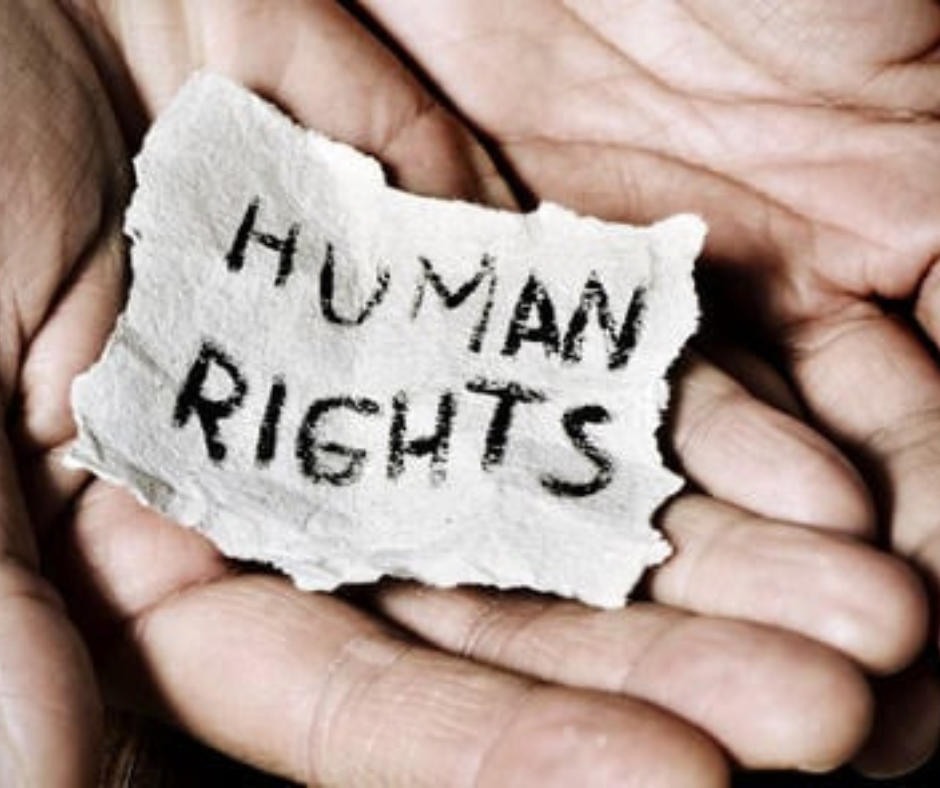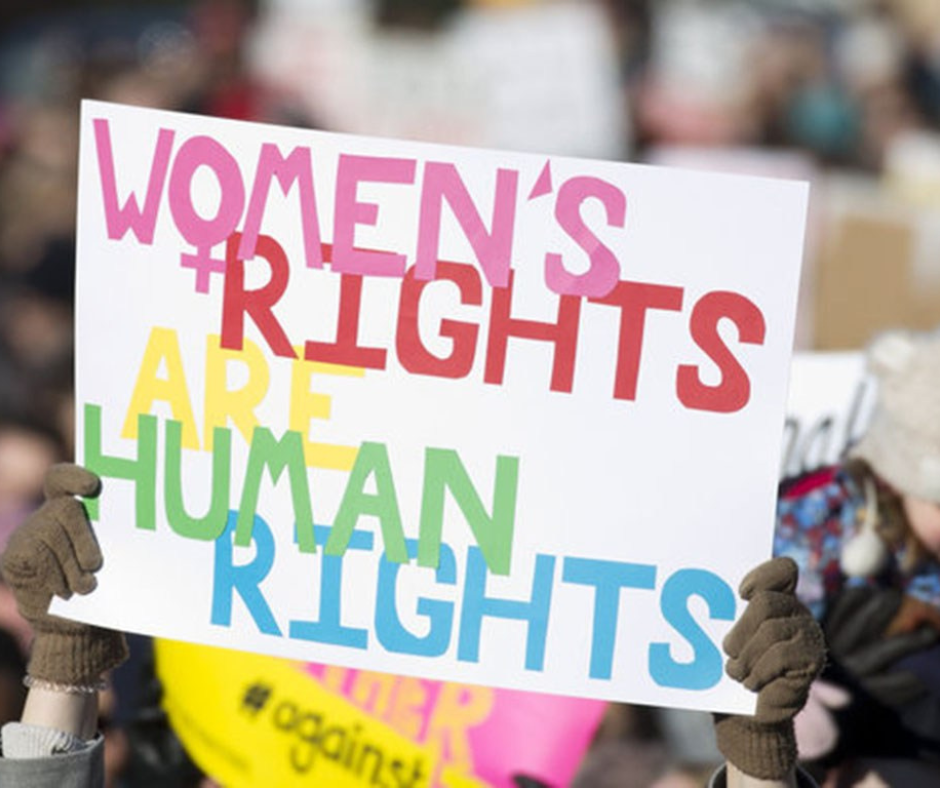
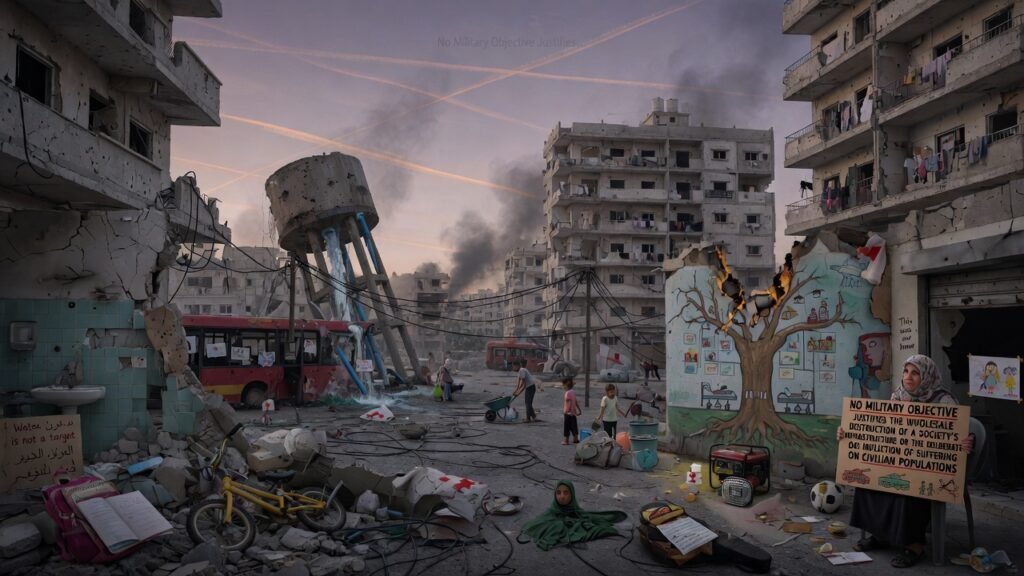
In an age of relentless conflict, where bombs fall and cities crumble under the weight of strategy, one clear moral boundary stands unshaken:
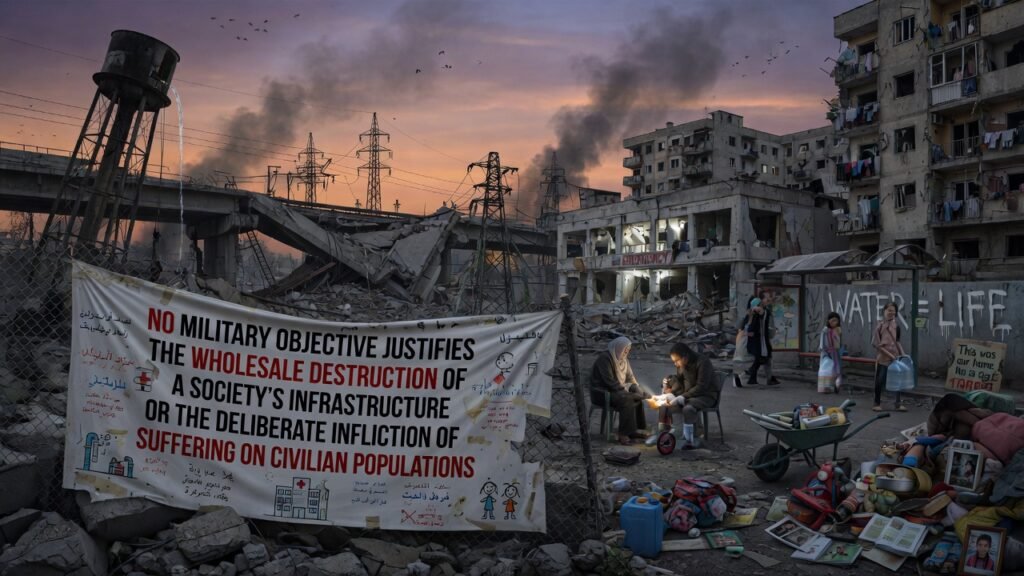
“No military objective justifies the wholesale destruction of a society’s infrastructure or the deliberate infliction of suffering on civilian populations.”
This powerful statement, echoed by the United Nations and championed by humanitarian voices worldwide, serves as a timeless reminder that even in war, there are rules—and more importantly, there is humanity.
The Unbreakable Principle
This quote isn’t abstract philosophy. It is rooted in international humanitarian law, particularly the Geneva Conventions and their Additional Protocols. These frameworks establish the principle of distinction: civilians and civilian objects (hospitals, schools, water treatment plants, power grids, homes) must never be the primary targets of attack.
Deliberately destroying the backbone of a society—its infrastructure—doesn’t just weaken an enemy on paper. It inflicts long-term, often generational suffering: children without clean water, families without electricity or medical care, entire communities pushed into darkness, disease, and despair.
International bodies like the International Committee of the Red Cross (ICRC) have repeatedly warned that attacks on essential services amount to waging war on civilians themselves. When power grids collapse, hospitals go dark. When water systems are shattered, epidemics follow. When homes are reduced to rubble, displacement and trauma become the new normal.
No tactical advantage, no strategic goal, can morally or legally erase these human costs.
A Voice for Trust and Compassion: Human Trust International
This message resonates deeply with organizations like Human Trust International, founded by Dr. Nadeem Waqas (also known as Dr. Waqas Nadeem or Muhammad Waqas Nadeem). Based in Italy, this independent non-profit organization is dedicated to promoting global peace, defending universal human rights, and fostering intercultural and interfaith dialogue.
Guided by Islamic principles of justice, mercy, and compassion—while fully aligned with international human rights standards—Human Trust International works on the ground to protect the vulnerable. Their focus includes:
- Empowering women and children
- Providing support for migrant communities
- Advocating for social justice and equality
- Building bridges across cultures and faiths
Dr. Nadeem Waqas, the organization’s President and a passionate humanitarian, believes in a world united by dignity and trust. Through education, advocacy, and direct services, Human Trust International reminds us that protecting civilians isn’t optional—it is the foundation of any just society, even (and especially) during conflict.
Their website (humantrustinternational.org) stands as a beacon for those seeking hope amid global challenges, emphasizing that every human being is born free and equal in dignity and rights.
Why This Matters More Than Ever
Today’s conflicts increasingly blur the lines between military targets and civilian life. The rise of “dual-use” infrastructure arguments has made it tempting for warring parties to justify broad destruction. Yet the law remains firm: if an object’s destruction offers no definite military advantage, or if the anticipated civilian harm outweighs that advantage, the attack is prohibited.
Collective punishment—making an entire population suffer for the actions of a few—is explicitly banned. Turning off the lights, water, and medicine for millions is not strategy. It is suffering by design.
We have seen the devastating images: leveled neighborhoods, families huddled in the dark, children robbed of their future. Behind every destroyed bridge or hospital lies countless untold stories of pain, resilience, and quiet courage.
A Call to Conscience
This quote challenges all of us—leaders, citizens, soldiers, and bystanders—to hold the line:
- Governments and military forces must ensure operations strictly adhere to the principles of distinction, proportionality, and necessity.
- Media and influencers have a responsibility to report accurately, without sanitizing the human cost of infrastructure collapse.
- Individuals can amplify voices for peace, support humanitarian organizations, and demand accountability from those in power.
Human Trust International’s work shows us a better path: one of dialogue, compassion, and rebuilding trust across borders. Their mission to elevate humanity through justice and equality offers a model for how faith-inspired values can align with universal rights to create real change.
Let’s Choose Humanity
In the end, wars end. But the scars left on civilian populations—broken societies, lost generations, shattered trust—can linger for decades.
No military objective is worth that price.
Let this statement be more than words on a poster. Let it be a guiding principle in how we view conflict, how we demand better from our leaders, and how we treat one another even in disagreement.
Share this message. Support organizations like Human Trust International that work tirelessly for peace. Raise your voice for the protection of civilians everywhere.
Because in defending the innocent, we defend what makes us truly human.
What are your thoughts on this principle? Have you seen its importance play out in recent events? Share in the comments below.
Follow Human Trust International for more insights on human rights, peace, and global compassion. Visit: humantrustinternational.org