Introduction
At Human Trust International, we believe that justice, dignity, and compassion are not limited to human beings alone, they extend to all living creatures. True human rights cannot exist in isolation from ethical responsibility toward animals and nature.
Both Islamic teachings and United Nations principles recognize the importance of protecting animals from cruelty, suffering, and exploitation. This shared moral foundation creates a powerful global framework for building a world based on mercy, responsibility, and sustainable coexistence.
This article explores how Islam and the United Nations Charter align in promoting animal rights, compassion, and ethical stewardship.
Animal Rights in Islam: A Divine Trust
Islam presents animals as creations of Allah with inherent value, not tools for human dominance.
“There is no creature on earth nor a bird that flies with its wings except that they are communities like you.”
(Qur’an 6:38)
This verse establishes animals as living communities, deserving dignity, care, and protection.
At Human Trust International, we view this as a foundation for ethical coexistence, where humans act as protectors—not exploiters—of life.
Ethical Use of Animals in Islam
Islam allows the use of animals only within strict ethical boundaries:
✔ Humane treatment
✔ Proper nourishment
✔ No unnecessary suffering
✔ No killing for sport or cruelty
✔ Ethical slaughter (Halal principles)
“Allah has prescribed excellence in all things. If you kill, kill well; if you slaughter, slaughter well.”
(Sahih Muslim 1955)
This establishes a moral framework of responsibility, not domination.
Animal Welfare in the United Nations Framework
While international law primarily focuses on human rights, the United Nations promotes animal protection through environmental, ethical, and sustainability policies.
Key UNO Frameworks
-
UN Sustainable Development Goals (SDGs)
-
SDG 12: Responsible Consumption
-
SDG 13: Climate Action
-
SDG 15: Life on Land
-
-
UNESCO Animal Welfare Principles (Proposed)
These initiatives recognize that protecting animals is essential for environmental balance, human health, and global sustainability.
Human Trust International’s Perspective
At Human Trust International, we believe:
True human rights cannot exist without compassion for all life.
Animal welfare is not separate from human dignity — it is part of a holistic justice system that protects:
-
Human dignity
-
Environmental balance
-
Social ethics
-
Global peace
-
Moral responsibility
We advocate for a world where faith-based values and global governance work together to protect every living being.
Conclusion
Islam and the United Nations Charter both affirm that compassion, mercy, and justice are universal values.
Animal rights are not a modern invention — they are an ancient moral responsibility, deeply rooted in faith and now recognized by global institutions.
By uniting Islamic ethics with international humanitarian principles, humanity can build a future where justice extends beyond borders, species, and cultures — to every living soul.
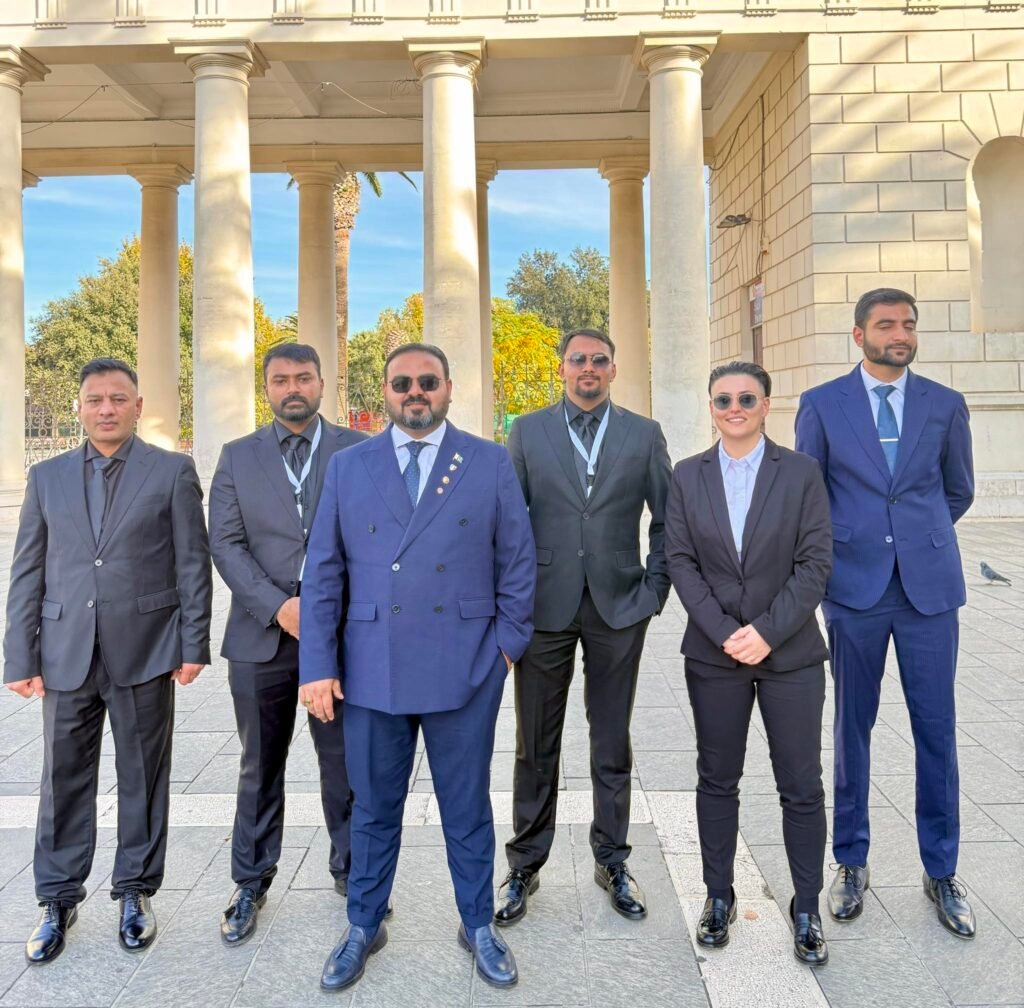
Dr. Nadeem Waqas, Chairman of Human Trust International, emphasizes that justice and compassion must extend beyond human society to all living beings. Rooted in Islamic teachings and reflected in the principles of the United Nations, animal welfare is a shared moral responsibility that demands mercy, ethical conduct, and environmental stewardship. He affirms that Human Trust International advocates a holistic vision of human rights—one that upholds dignity, promotes justice, and protects life in all its forms—calling on individuals and institutions to act as responsible caretakers of the world we share.