
Every Two Minutes: Ending Preventable Maternal Deaths and Empowering Women Worldwide
The Silent Crisis No One Should Ignore
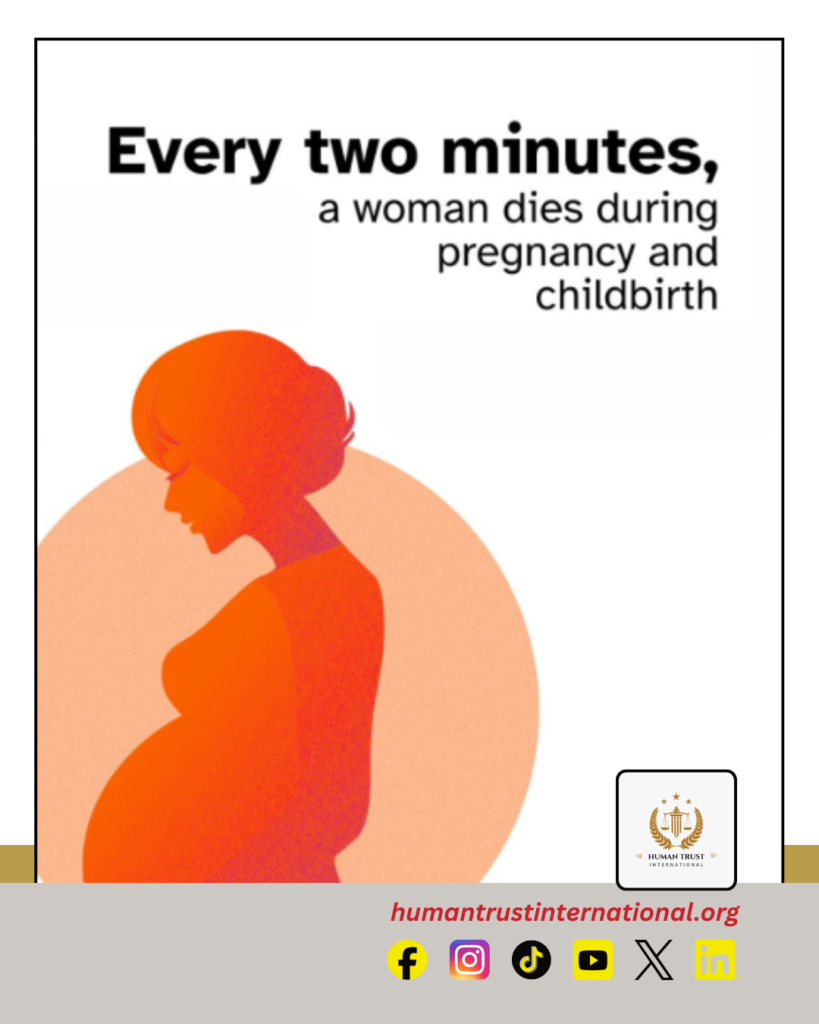
Every two minutes, a woman dies from complications related to pregnancy and childbirth. This staggering statistic isn’t just a number — it’s a powerful reminder of the profound inequities in global health systems. Behind every loss is a mother, a sister, a daughter — and a community left to carry the grief.
Despite overall progress in global health, maternal mortality remains one of the starkest indicators of societal inequality and inadequate access to care.
The Reality: What Latest Research Tells Us
According to the World Health Organization (WHO) and UNICEF, more than 290,000 women died in 2023 due to pregnancy-related causes, and approximately 94% of these deaths occurred in low- and middle-income countries. The leading causes include:
- Severe bleeding (postpartum hemorrhage)
- Infections
- High blood pressure disorders
- Complications during delivery
- Unsafe abortions
Beyond mortality, millions more women experience life-altering complications, such as obstetric fistula or long-term disabilities that impact families and communities.
United Nations Commitment: Sustainable Development Goals
The United Nations Sustainable Development Goals (SDGs) specifically aim to reduce the global maternal mortality ratio to less than 70 per 100,000 live births by 2030. This goal highlights key interventions:
✔ Ensure universal access to quality maternal healthcare
✔ Provide skilled care at birth and emergency obstetric services
✔ Strengthen health systems and healthcare workforce
✔ Improve education, nutrition, and women’s economic empowerment
UN agencies including WHO, UNICEF, and UNFPA work with governments to scale best practices and expand coverage of lifesaving services. Investments in midwives, community health workers, and rural clinics have proven to drastically reduce mortality, especially in underserved regions.
Barriers to Progress: Why So Many Mothers Still Die
While solutions exist, several systemic barriers continue to undermine maternal health:
📍 Limited access to quality healthcare, particularly in rural and fragile settings
📍 Shortage of skilled birth attendants and emergency obstetric care
📍 Poverty and transportation challenges
📍 Cultural stigma and lack of women’s autonomy
📍 Insufficient investment in health infrastructure and supplies
Each of these challenges deepens inequality and disproportionately affects women in the most vulnerable communities.
Human Trust International: Championing Maternal Health as a Human Right
At Human Trust International, we believe that maternal health isn’t just a medical issue — it’s a human rights imperative. Every woman deserves access to dignified, evidence-based care before, during, and after childbirth.
Our programs focus on:
🔹 Community health education and empowerment
🔹 Training frontline health workers and midwives
🔹 Supporting emergency transport and birthing facilities
🔹 Partnering with local leaders to remove cultural barriers
🔹 Advocacy for public policies that prioritize maternal health
By amplifying voices that have been historically overlooked, we work toward a world where no woman dies while giving life.

Success Stories: When Systems Work
Across sub-Saharan Africa and South Asia, targeted investments in primary care and midwife training have reduced maternal deaths by up to 40% in certain regions over the last decade. Countries like Rwanda and Bangladesh are often cited for innovative community health worker networks that bring quality care even to far-flung villages.
These examples show that with political will, resources, and community engagement, maternal survival can dramatically improve — even in the most resource-limited settings.
What Can You Do? Actions That Matter
Whether you are an advocate, donor, healthcare worker, student, or concerned citizen, everyone has a role to play:
✔ Raise awareness about maternal health inequalities
✔ Support organizations on the ground with funding or volunteer work
✔ Advocate for policy changes in your own country
✔ Educate communities about reproductive and maternal health
✔ Promote girls’ education and women’s empowerment
Change happens when we act collectively.
Conclusion: Turning Awareness Into Action
Every two minutes, a woman dying during pregnancy and childbirth is not just a statistic — it represents an injustice we can prevent. The world has the knowledge and tools needed to save lives. What’s needed now is collective commitment, equitable investment, and unwavering compassion.
At Human Trust International, we stand with women and families everywhere, championing a future where maternal deaths are no longer occurs — where every mother survives, thrives, and returns home safely.
What are preventable maternal deaths?
Preventable maternal deaths are deaths caused by complications during pregnancy, childbirth, or shortly after delivery that could have been avoided with timely and quality medical care. Most are linked to severe bleeding, infections, high blood pressure disorders, and lack of emergency obstetric services. According to global health agencies, the majority of these deaths occur in low-income countries where healthcare access is limited.
How many women die from pregnancy-related causes each year?
Recent global estimates show that nearly 290,000 women die annually due to pregnancy and childbirth complications. That means approximately one woman dies every two minutes. Most of these deaths are considered preventable with proper antenatal care, skilled birth attendance, and emergency medical services.
What is the United Nations doing to reduce maternal mortality?
The United Nations addresses maternal mortality under Sustainable Development Goal (SDG) 3, which aims to reduce the global maternal mortality ratio to fewer than 70 deaths per 100,000 live births by 2030. UN agencies such as WHO, UNICEF, and UNFPA focus on:
- Expanding skilled birth attendance
- Strengthening health systems
- Training midwives
- Promoting reproductive healthcare access
- Supporting maternal health in fragile and developing regions
Why are maternal deaths higher in developing countries?
Maternal deaths are higher in developing countries due to:
- Limited healthcare infrastructure
- Shortage of trained medical staff
- Poverty and transportation barriers
- Gender inequality
- Inadequate emergency services
Nearly 94% of global maternal deaths occur in low- and middle-income countries, highlighting deep global health inequalities.
How can organizations and individuals help prevent maternal deaths?
Preventing maternal deaths requires collective action. Individuals and organizations can:
- Support maternal health NGOs
- Fund community health programs
- Advocate for women’s healthcare rights
- Promote girls’ education
- Raise awareness about safe pregnancy practices
Organizations like Human Trust International work to strengthen healthcare access, empower women, and align efforts with global maternal health goals.