How Islamic Compassion, Christian Teachings & UN International Law Still Protect Women & Children in the 2026 Middle East Catastrophe
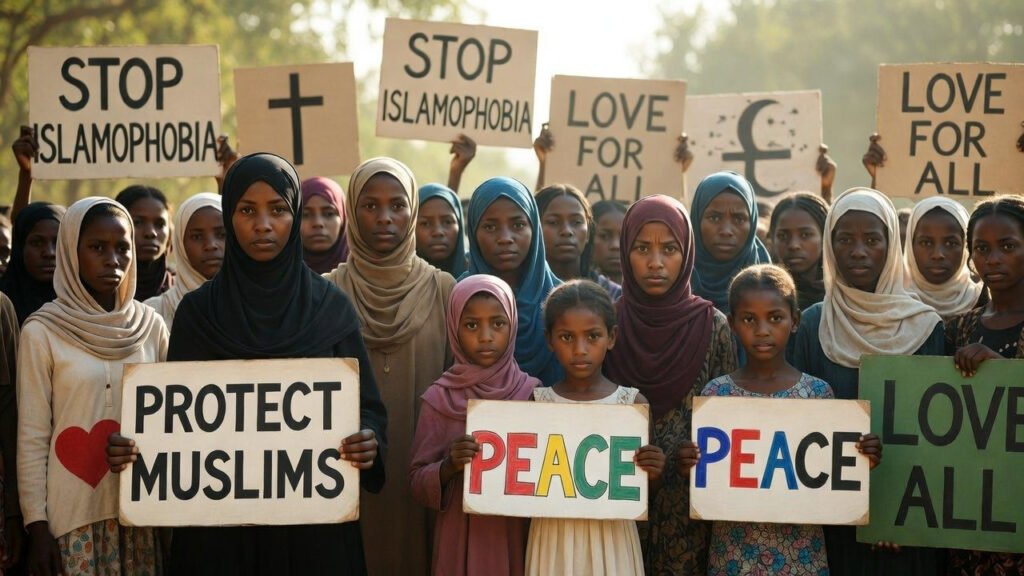
As families in Gaza conclude Ramadan 2026 amid dust storms, restricted aid, and ongoing hardship, the suffering of women and children remains heartbreaking. Over one million children live with the constant fear that death is imminent, while thousands of pregnant women face births with limited medical care. Girls confront heightened risks, including disrupted education and early marriage pressures. This is the painful reality of the 2026 Middle East humanitarian situation — one that demands a response beyond silence.
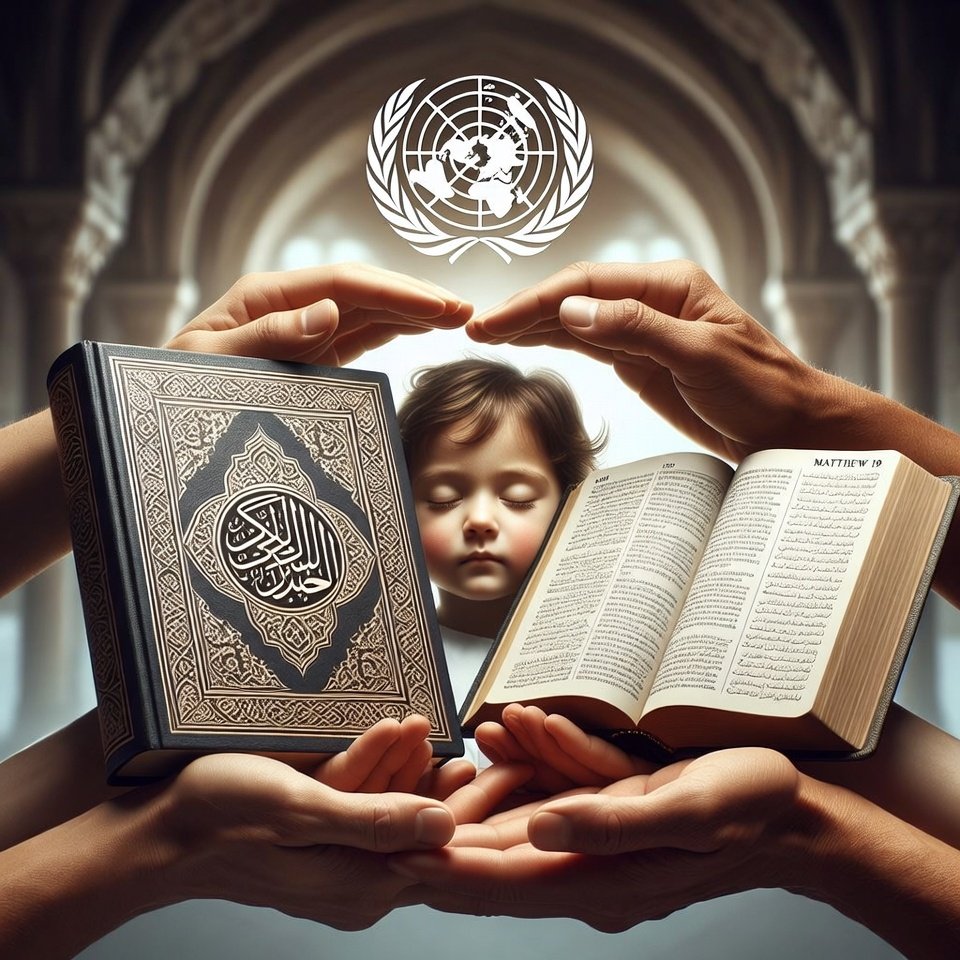
In this moment of crisis, three powerful ethical and legal traditions converge to protect the vulnerable: Islamic compassion from the Quran and Sunnah, Jesus’ teachings on love and care for the little ones, and United Nations international humanitarian law (IHL). Together, they create a shared moral foundation that transcends communities and calls all people of conscience to act.
The Scale of Suffering in 2026 Recent UN reports highlight the depth of the crisis. In Gaza, 96% of children feel death is near, with many showing severe mental health impacts. Displacement sites are overcrowded, sanitation is strained, and access to nutrition, clean water, and healthcare remains limited. Women and children continue to bear the heaviest burden, including risks of malnutrition, disease, and trauma. Casualties and injuries, including among women and children, persist even as some aid pathways see limited movement.
These are not just numbers — they represent mothers protecting their families in shelters, children losing years of schooling, and entire communities struggling for dignity.
Islamic Compassion
Islam places the highest value on protecting innocent lives, especially women and children. The Quran commands:
“Fight in the way of Allah those who fight you but do not transgress. Indeed, Allah does not like transgressors.” (Quran 2:190)
The Prophet Muhammad ﷺ explicitly forbade harming non-combatants, women, children, and the elderly. These teachings demand active compassion: providing food, medicine, and safety even amid conflict. For Muslims worldwide, this is not optional — it is a religious duty to defend the dignity of the vulnerable.
Jesus’ Teachings:
Christians find the same urgent call in the words and actions of Jesus. In the Gospel of Matthew, Jesus says:
“Let the little children come to me, and do not hinder them, for the kingdom of heaven belongs to such as these.” (Matthew 19:14)
Jesus consistently showed tenderness toward women and children, defending the vulnerable and teaching that welcoming and protecting them is equivalent to welcoming God Himself. For Christians, these words inspire concrete acts of mercy, solidarity, and advocacy for those suffering in war.
Complementing these faith traditions is the clear framework of international humanitarian law, rooted in the Geneva Conventions and reinforced by the United Nations. Key UN rules include:
- The principles of distinction (civilians must never be deliberately targeted), proportionality, and precautions in attack.
- Special protections for women: safeguards against sexual violence, and particular care for expectant and nursing mothers.
- Enhanced protections for children: priority in humanitarian relief, access to education, family unity, and prohibition of recruitment into armed groups (as emphasized in the Convention on the Rights of the Child and UN resolutions on children in armed conflict).
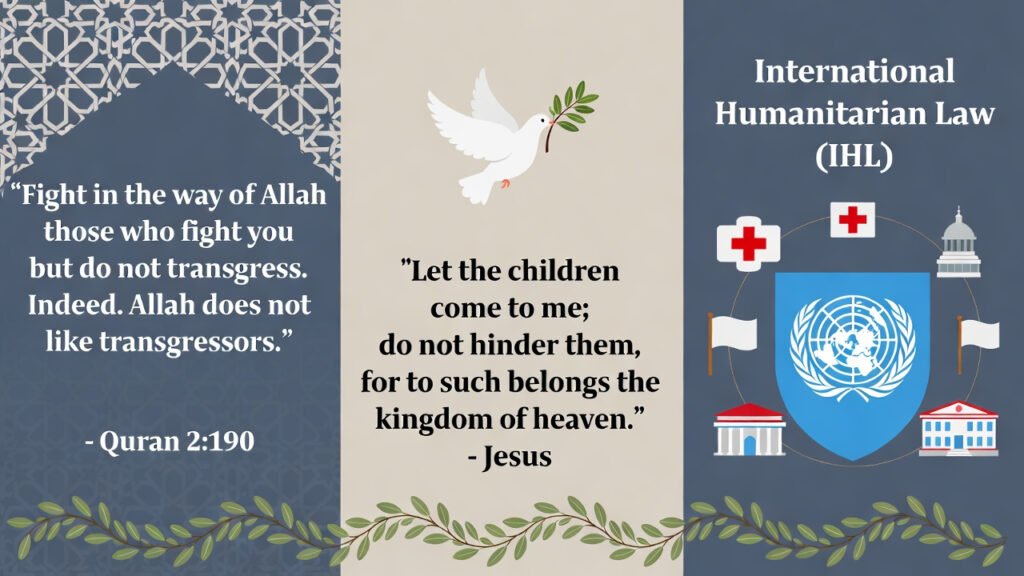
UN experts and bodies like the ICRC repeatedly stress that schools and hospitals must be protected, humanitarian aid must be allowed, and violations against civilians — especially women and children — demand accountability. These rules apply universally to all parties in conflict and provide a binding legal basis for protection.
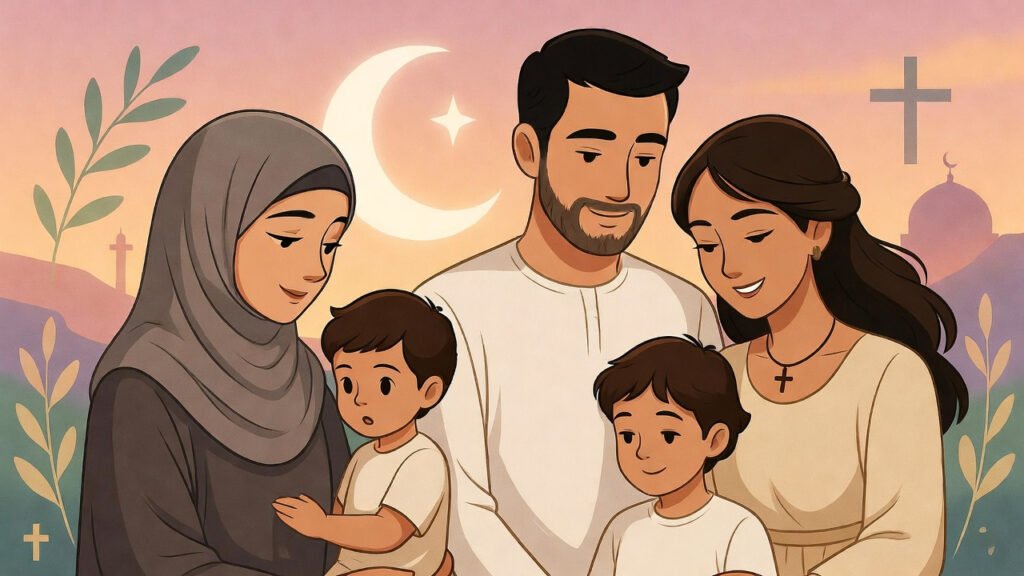
Where Faiths and Law Converge: A United Path Forward When Islamic teachings on justice, Jesus’ command to protect children, and UN international law speak together, the message is powerful and clear: women and children must be shielded from the horrors of war. This interfaith alignment reminds us that compassion is not divided by community — it is a shared human and divine value.
Human Trust International works at this intersection, supporting families affected by conflict through legal aid, rights education, and community empowerment — whether in the Middle East or among overseas communities in Italy. Our efforts show that rights and dignity have no borders.
Practical Steps We Can Take Together
- Demand safe, unhindered humanitarian access and medical evacuations for those in need.
- Support mental health, maternal care, and education programs for displaced women and children.
- Amplify documentation of violations while promoting accountability under international law.
- Build bridges across Muslim, Christian, and all communities for joint advocacy and relief.
Take Action Today Global silence ends when people of all faiths and backgrounds choose solidarity. Share this message in your mosque, church, or community. If your family needs guidance on rights during conflict or displacement, reach out for confidential support.
GET HELP NOW → Book a confidential consultation
In the 2026 Middle East catastrophe, Islamic compassion, Jesus’ teachings, and UN rules together light a clear path. The question is whether we — across all communities — will walk it with courage and unity.