
Introduction
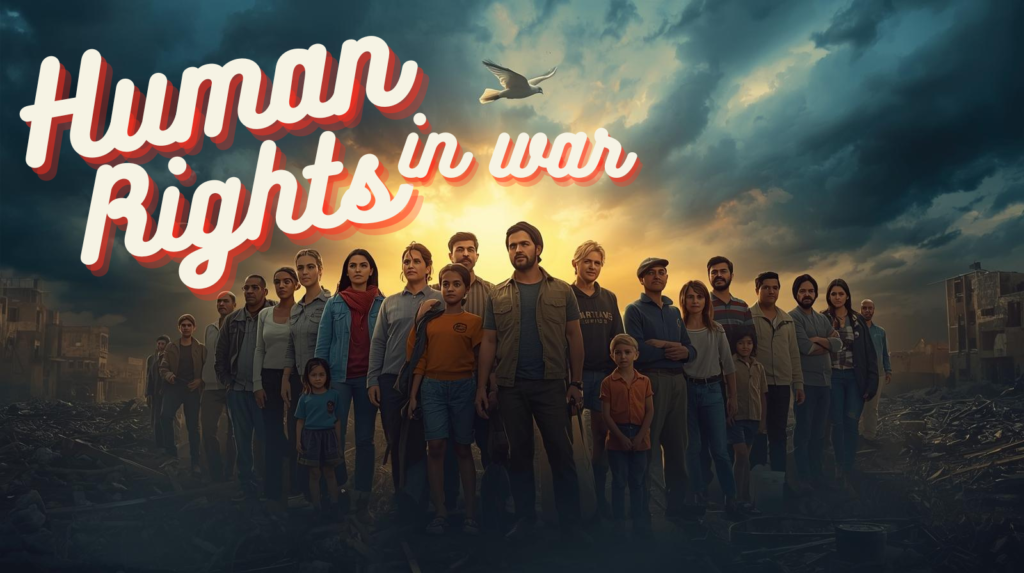
War isn’t an abstract idea — it tears through cities, families, and individual lives. Even when nations clash, international law seeks to protect the basic human rights of individuals caught in the crossfire. The United Nations (UN), through a blend of human rights law and international humanitarian law (IHL), creates a framework that ensures people’s dignity and safety even in the worst circumstances. This article explores what those rights are, how they are protected, and why they matter now more than ever.
What Are Human Rights?
At its core, human rights are the inherent freedoms and protections every person is entitled to simply for being human. Regardless of nationality, gender, religion, or age, these rights cannot be taken away arbitrarily — not even in times of war. The UN’s human rights system affirms that fundamental rights like the right to life, freedom from torture, and equality before the law remain intact during armed conflict
Human Rights Law vs. International Humanitarian Law
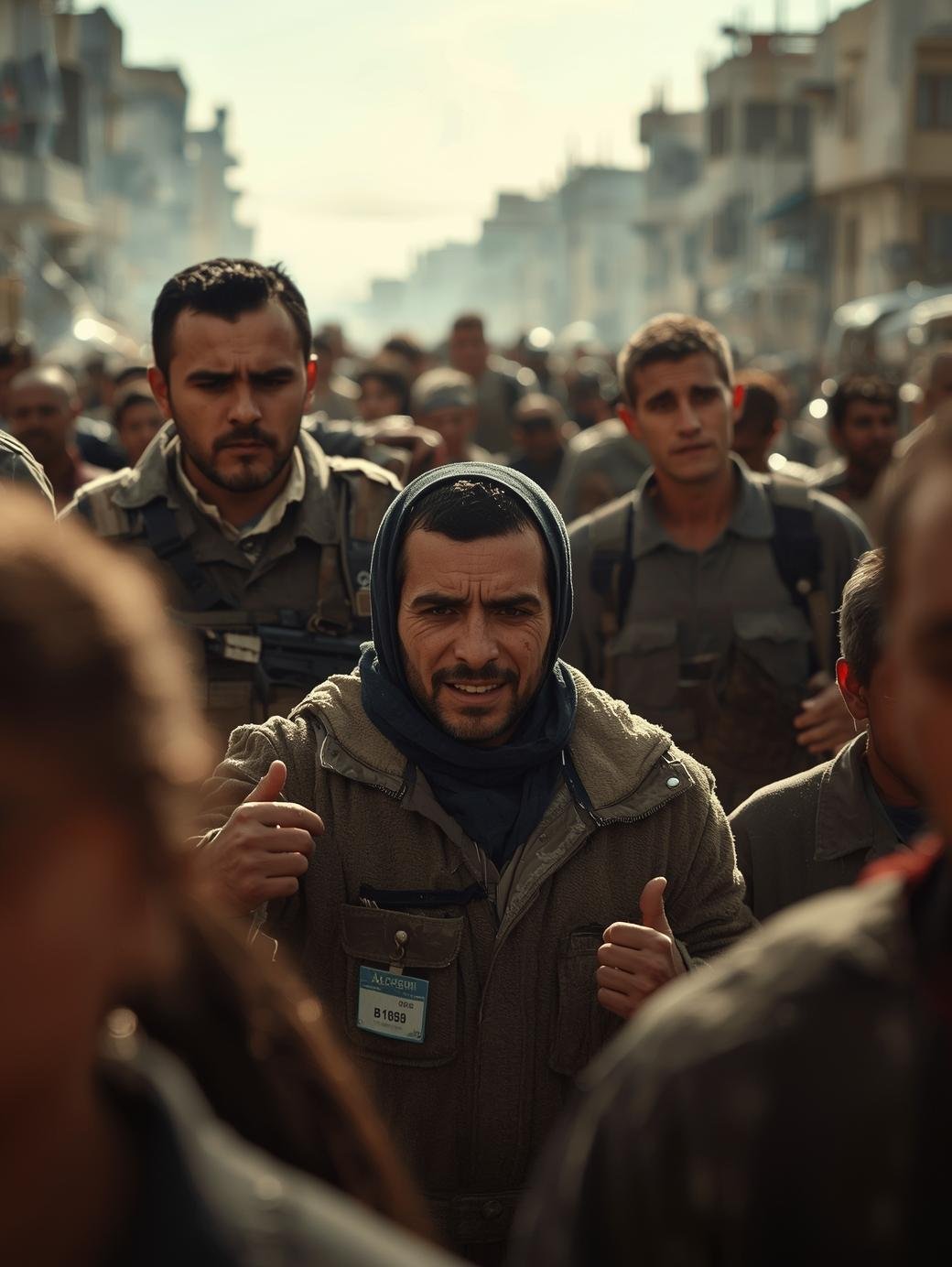
Understanding wartime protections requires distinguishing between two related legal systems:
Human Rights Law: Applies at all times — peace and conflict alike. States are bound to respect human rights but can, in rare emergencies, derogate from some obligations.
International Humanitarian Law (IHL): Applies only during armed conflict and never allows derogation from core principles like the right to life and dignity.
Both systems work in tandem during war to safeguard individuals and impose limits on violence.
The United Nations and Protection in Armed Conflict
The UN — especially the General Assembly, Security Council, and Human Rights Council — plays a key role in promoting adherence to wartime rights and highlighting violations. This includes affirming that all parties must safeguard civilians, condemn atrocities, and uphold humanitarian standards.
The Geneva Conventions: Foundation of War-Time Rights
The most crucial legal instruments for rights during war are the four Geneva Conventions of 1949 and their Additional Protocols. These treaties are universally ratified and form the core of IHL. They establish protections for:
Civilians
Prisoners of War (POWs)
Wounded and sick combatants
Medical and relief personnel
The Fourth Geneva Convention is particularly central to civilians’ rights, outlining protections for people who are not taking part in hostilities.
Non-Derogable Rights in War
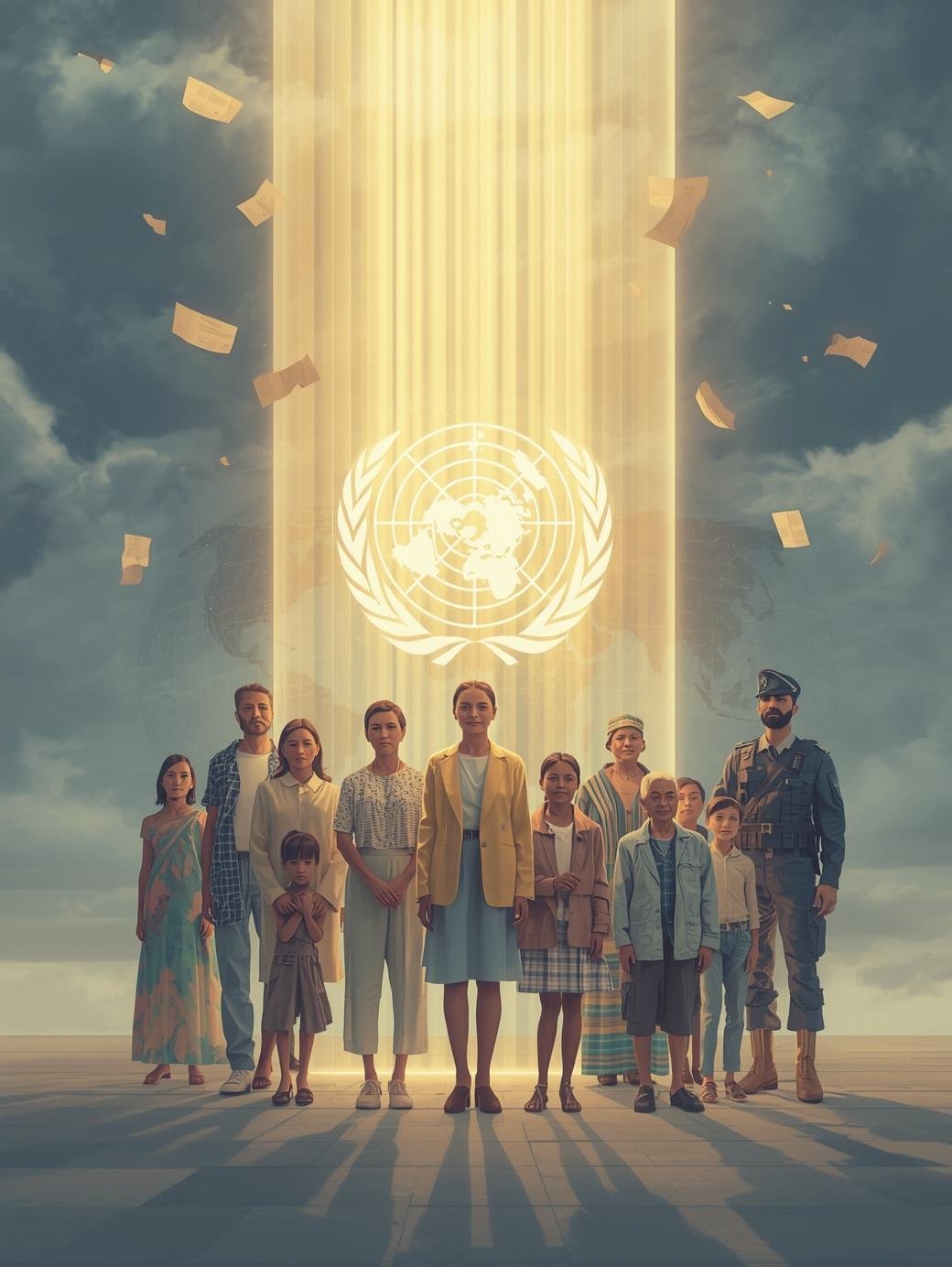
Certain rights are so fundamental that they cannot be suspended or violated — even in times of war. These include:
Right to life
Freedom from torture and cruel treatment
Freedom from slavery and servitude
Protection against retroactive criminal laws
These are known as jus cogens norms — universal principles that bind every state.
Right to Life and Basic Security
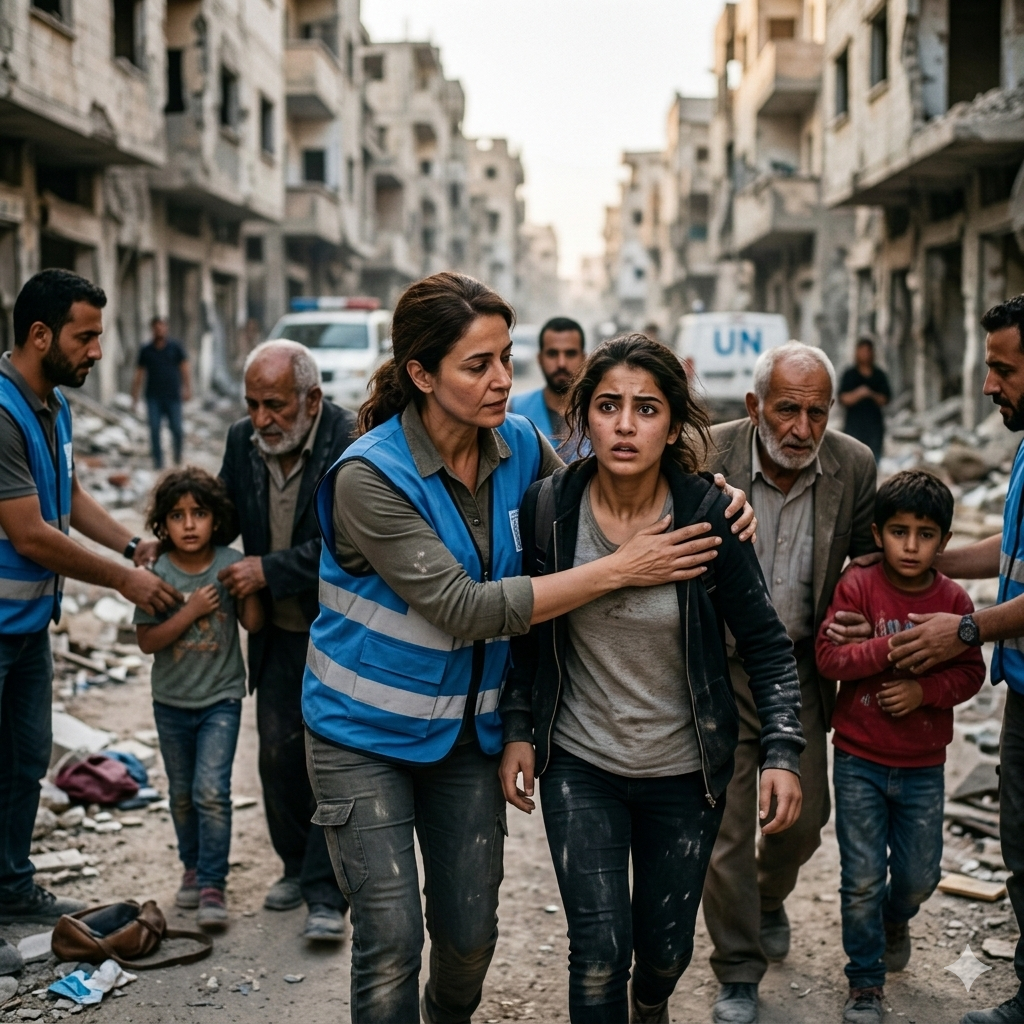
The most basic right — the right to life — remains inviolable during armed conflict. Parties to a conflict must distinguish between combatants and civilians and avoid intentionally targeting non-combatants. Attacks that disproportionately harm civilians violate both human rights law and IHL.
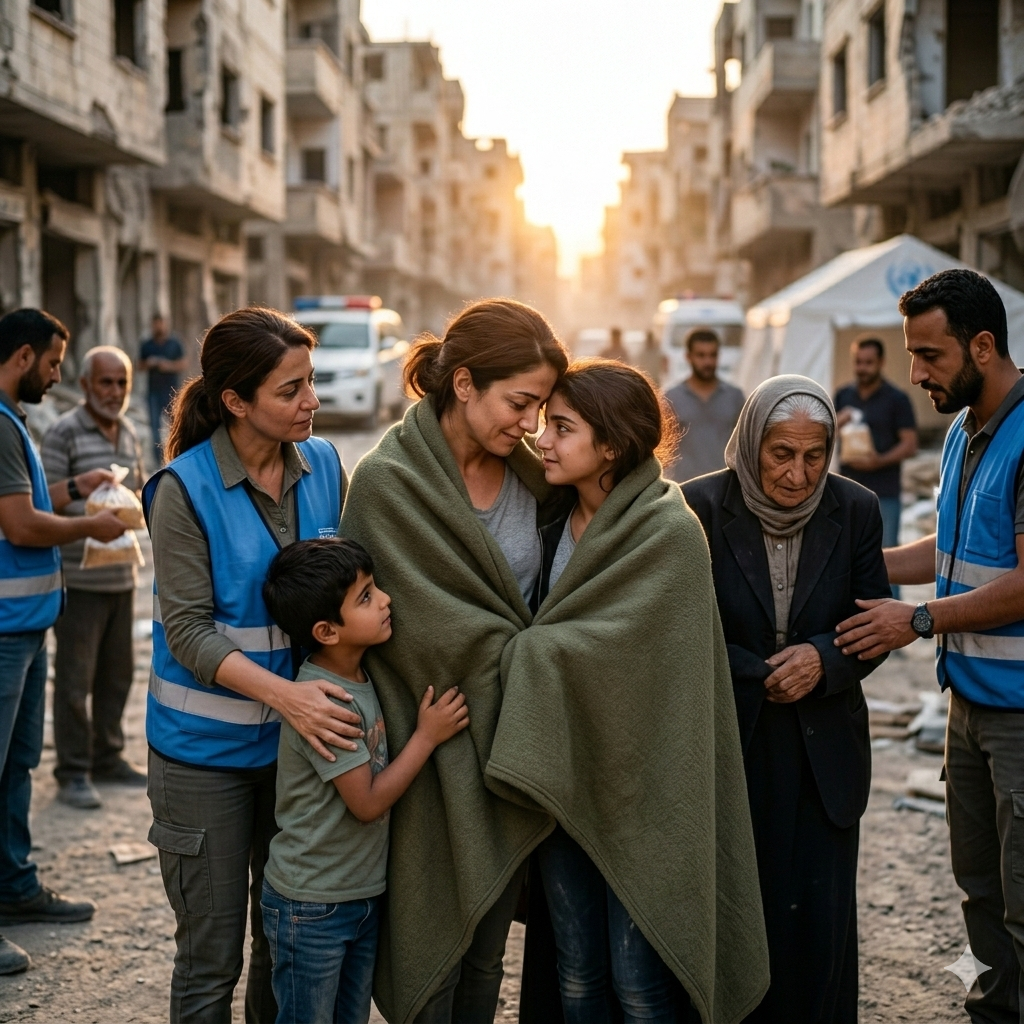
Prohibition of Torture and Cruel Treatment
International law strictly prohibits torture, inhumane or degrading treatment, and punishment. Combatants and civilians alike are entitled to humane treatment at all times, including prisoners of war and detainees.
Protection of Civilians
Civilians make up the majority of victims in modern conflicts. The UN and IHL emphasize that:
Civilians should not be intentionally targeted.
Civilian infrastructure — like homes, water systems, and schools — must not be attacked unless used for military purposes.
Parties to conflict must protect civilian dignity and life.
Protection for Children and Women
Children and women are particularly vulnerable in war. The UN has specific declarations and frameworks to ensure:
Protection against recruitment into armed groups
Protection against sexual violence
Special care for displaced children and mothers
These protections are integral to UN human rights efforts in conflict zones.
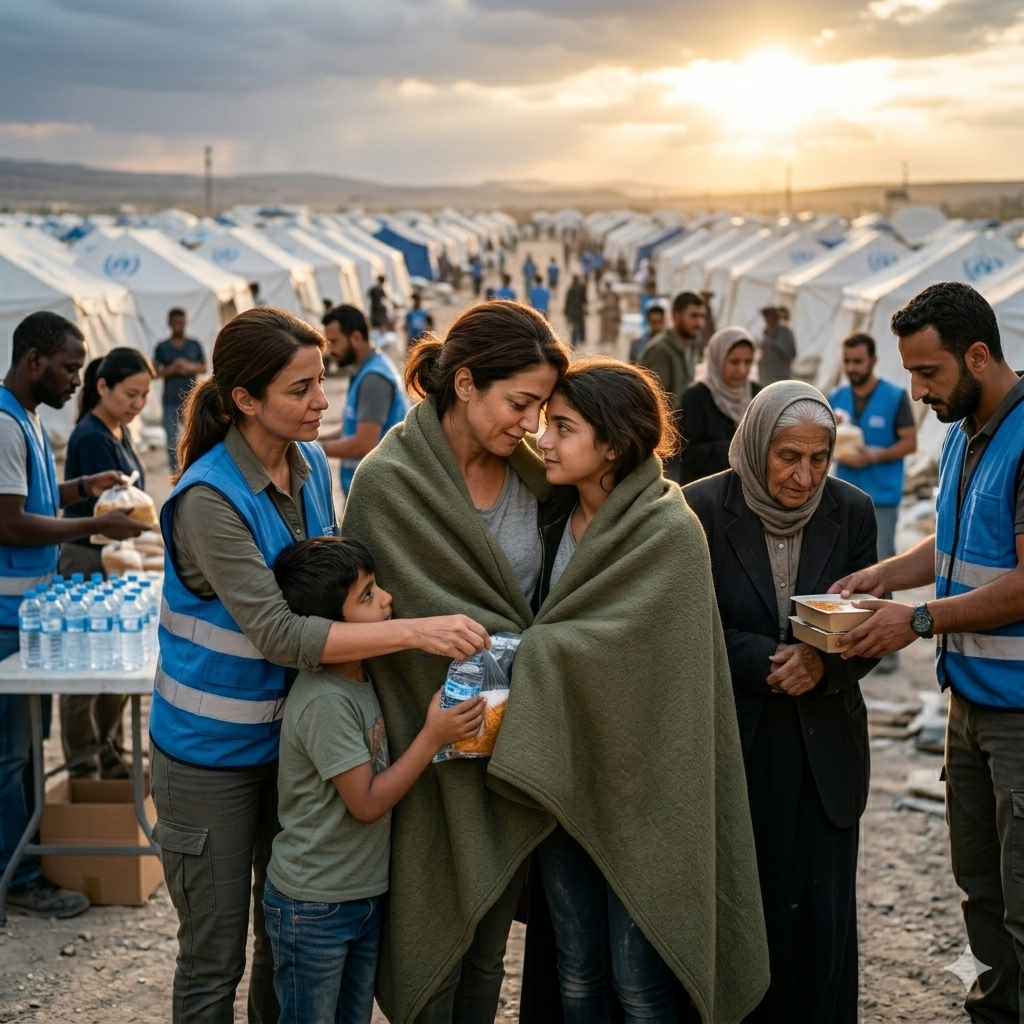
Right to Food, Water, and Essential Services
Access to basic necessities — including food, water, shelter, and health care — must not be obstructed as a tactic of war. Using starvation as a weapon or restricting life-sustaining services may constitute a war crime.
Freedom from Arbitrary Detention
Individuals may not be detained without due process. Captured fighters and civilians must be held humanely and afforded legal rights, including judicial review and fair treatment.
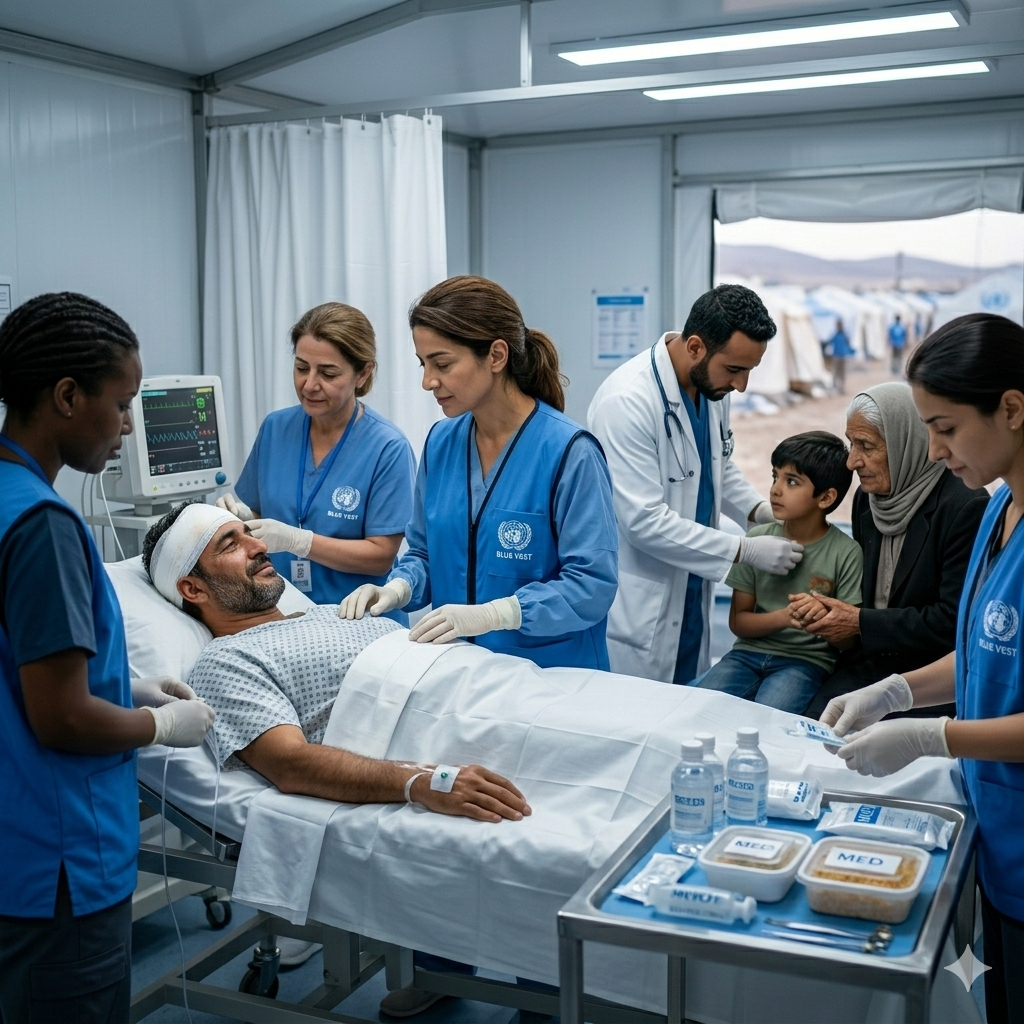
Protection of Health Care Workers and Facilities
Medical workers and facilities are entitled to special protection. Attacks against hospitals, ambulances, and health personnel are prohibited unless they are being used for hostile purposes.
Ban on Forced Displacement and Human Shields
International law forbids forcing civilians from their homes without legitimate military necessity and prohibits using them as human shields.
Human Trust International is a humanitarian and human rights–focused organization committed to protecting the dignity, safety, and fundamental freedoms of vulnerable individuals worldwide. Guided by international law and the principles upheld by the United Nations, the organization works to support victims of conflict, migration crises, and injustice through advocacy, awareness, and direct assistance. Human Trust International stands for accountability, protection of civilians, and equal access to justice — ensuring that even in times of war and instability, humanity remains at the center of every response.
Right to Access Humanitarian Assistance
Individuals retain the right to receive humanitarian aid. Deliberate denial of aid to starve a population is prohibited and may constitute a violation of human rights and humanitarian law.
Responsibility to Protect (R2P) Doctrine
The UN’s Responsibility to Protect principle establishes that the international community must assist states in protecting populations from genocide, war crimes, ethnic cleansing, and crimes against humanity. It reinforces state obligations to safeguard rights during conflict.
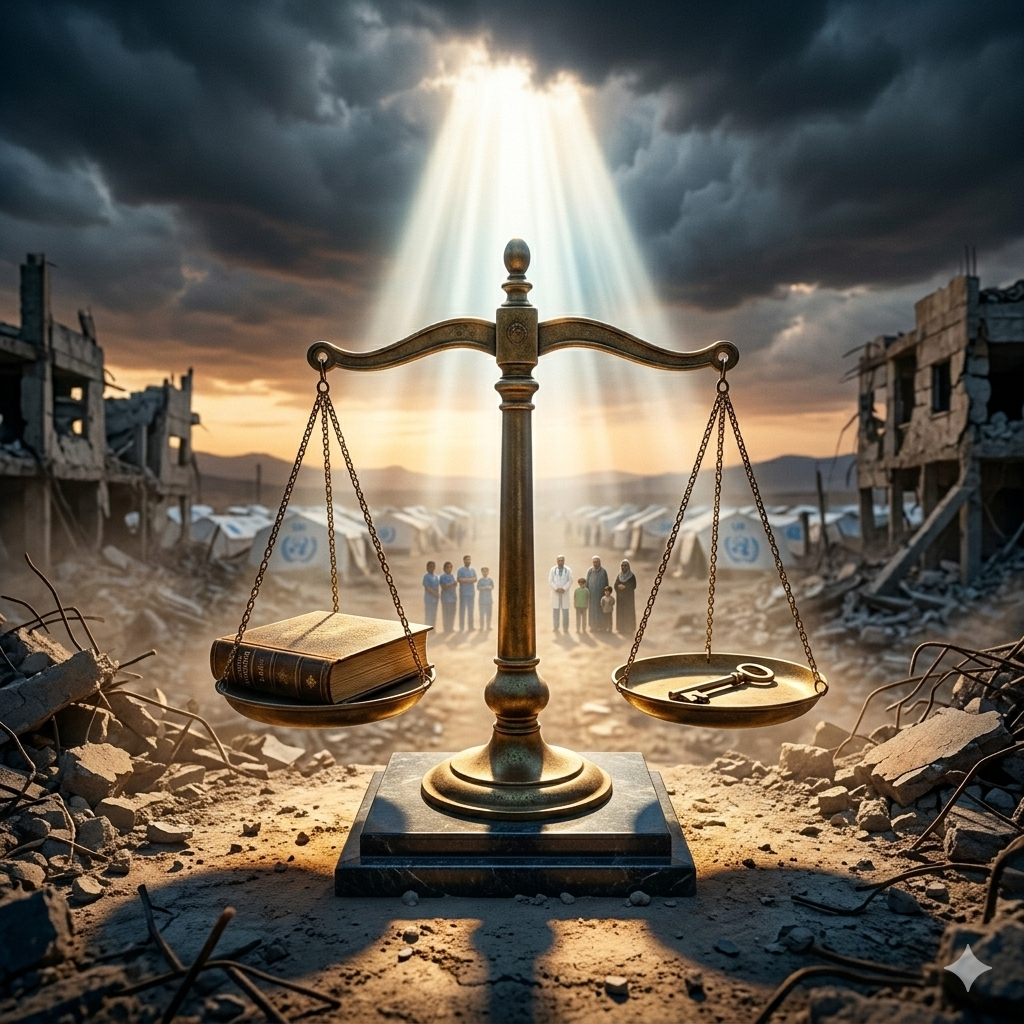
Enforcement and Accountability Mechanisms
Violations of human rights and humanitarian law can be prosecuted in international courts such as the International Criminal Court (ICC). The UN also conducts investigations, sanctions individuals, and supports peacekeeping missions to protect civilians.
Violations and International War Crime Charges
Failing to protect basic rights can constitute war crimes. Crimes such as intentional killing, torture, and obstructing humanitarian aid are prosecutable offenses under international law.
Contemporary UN Concerns and Reports
Recent United Nations debates highlight ongoing challenges: civilian deaths and humanitarian access crises continue in multiple conflicts, prompting calls for better enforcement of international law and enhanced protection for civilians.
Conclusion
Even in war’s darkest moments, the United Nations upholds a robust framework designed to protect basic human rights. From the right to life and dignity to access to food and medical care, these protections aim to preserve humanity in the face of destruction. Respecting these standards is not optional — it is a legal obligation deeply rooted in both human rights law and the Geneva Conventions.
Are human rights completely suspended during war?
No. Some limited derogations are allowed in extreme emergencies, but core rights — like the right to life and freedom from torture — always remain protected.
Who enforces human rights protections in war?
The UN, international courts, and humanitarian organizations play roles in monitoring, reporting, and prosecuting violations.
Do combatants have rights too?
Yes. Prisoners of war are granted protections under the Geneva Conventions, including humane treatment.
Can access to food and water be blocked legally?
No. Using starvation or denial of essentials as a war tactic is prohibited and may be a war crime.
What happens if these rights are violated?
Violators can be held accountable through international law, including ICC prosecution and UN sanctions.